Little Romeo: A Charming Valentine’s Embroidery Design
First Impressions: Sweet, Playful, and Instantly Recognizable
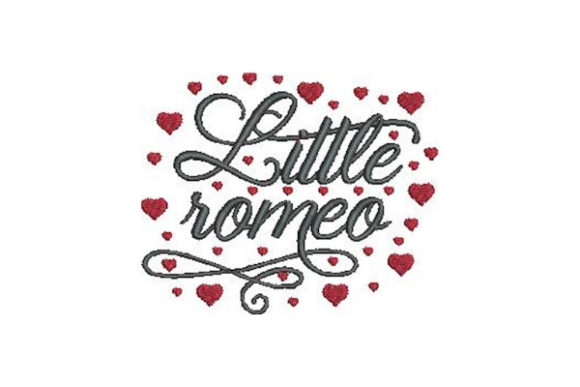
As an embroidery designer who’s curated seasonal collections for over a decade, I know how vital that first emotional connection is—especially with holiday embroidery. Little Romeo delivers it instantly. The design radiates playful romance without tipping into cliché. It’s not overly ornate or fussy; instead, it balances soft curves, gentle proportions, and a subtle wink of charm—like Cupid’s most trustworthy sidekick. The mood is lighthearted but sincere, cozy yet polished—ideal for customers seeking heartfelt handmade gifts rather than mass-produced sentiment. Visually, it reads as modern-cute: clean outlines, thoughtful spacing, and a composition that feels intentional at any scale. Whether stitched on a baby onesie or a linen pillow cover, Little Romeo carries warmth, whimsy, and just enough narrative to spark smiles.
Real-World Seasonal Use: Where This Design Shines
Little Romeo isn’t just pretty—it’s commercially versatile across high-demand Valentine’s Day product categories. For Etsy sellers and small shop owners, this machine embroidery design works beautifully in gift bundles: pair it with matching heart-shaped cookie cutters and a printed recipe card for a “Bake & Bond” kitchen kit. On sweatshirt embroidery, it anchors family matching sets—think coordinating crewnecks for couples or parent-and-toddler duos—without overwhelming the garment. Tote bag design? Yes: centered on natural canvas or blush cotton, it adds personality without competing with branding. Kitchen towel embroidery gains instant appeal when Little Romeo appears near the hem—soft, wash-friendly, and ready for social media previews.
Pillow covers, embroidered patches, and aprons all benefit from its balanced scale and expressive simplicity. For craft fair displays, stitch Little Romeo onto a rustic wooden ornament or a velvet pouch—it becomes a tactile focal point. And because it reads clearly even in small mockups, it translates well to printable promotional graphics and Instagram carousels. In limited edition apparel drops, it elevates perceived value: customers see care, intention, and seasonal relevance—not just decoration. That emotional resonance builds trust, especially during peak holiday shopping periods when buyers choose makers they feel aligned with.
Where to Apply Thoughtful Caution
Like any strong seasonal embroidery, Little Romeo performs best when matched thoughtfully to fabric, construction, and use case. Avoid stitching it on ultra-thick towels or dense terry cloth without testing stabilizer layers—high stitch density can cause puckering or thread breakage if the base fabric resists needle penetration. Similarly, stretchy garments (like ribbed knits or lightweight jersey) need proper cutaway or tear-away stabilizer to prevent distortion. Curved caps or tight seams aren’t ideal unless you confirm hoop size compatibility and adjust placement for minimal tension.
Dark fabric demands attention to thread colors: test contrast before bulk production—what reads sweet on ivory may vanish on charcoal. Metallic thread adds flair but increases risk of skipped stitches or breakage, especially in fine details. And while the design feels cohesive at a glance, zoom in: tiny elements (like bow loops or facial features) may require verification after stitching on small hoop sizes—don’t assume clarity at 2 inches wide. Always review your finished sample under natural light and gentle handling—does it hold up to repeated washing? Does the detail remain legible?
Design Impact Beyond the Stitch
Little Romeo strengthens seasonal appeal by tapping into timeless themes—affection, playfulness, quiet devotion—without leaning on overused tropes. That makes it highly giftable: a personalized gift stitched onto a keepsake blanket or monogrammed apron feels intimate and enduring. For handmade gift creators, it supports brand consistency when paired with complementary designs (e.g., coordinating hearts or scripty “Be Mine” accents). Its visual recognition is strong—distinctive enough to become a signature motif across your Valentine’s S Day collection, yet flexible enough to adapt across age groups and aesthetics.
Customer engagement rises when shoppers recognize authenticity in your offerings—and Little Romeo signals craftsmanship, not clip art. When used in digital embroidery file listings, it invites repeat buyers: those who loved it on a tote last year will seek it out again for pillow covers or baby bibs. Social media previews perform better because it photographs cleanly—no muddy edges, no confusing negative space. That clarity boosts click-throughs, saves time on editing, and reinforces professionalism.
Practical Designer Notes Before You Stitch
- Test thread colors on both light and dark fabric swatches—especially for Etsy listings where color accuracy builds buyer confidence.
- Check stitch density in your embroidery software—adjust if needed for delicate fabrics or high-wear items like aprons and kitchen towels.
- Confirm hoop size before digitizing or purchasing—some versions may be optimized for 4x4, others for 5x7. Know your limits.
- Use proper stabilizer: medium-weight cutaway for stable wovens, lightweight tear-away for knits, and fusible + tear-away combo for towels or napkins.
- Create realistic mockups—not just flat white backgrounds. Show Little Romeo on a draped pillow cover, folded tote, or half-unwrapped gift box.
- Review small details post-stitch: eyes, bows, and contours should retain shape after trimming and pressing.
- Plan matching color palettes in advance—choose 3–4 thread tones that harmonize across products (e.g., rose pink, cream, sage, and charcoal).
- Verify commercial licensing before selling finished seasonal products—this ensures your small shop stays protected when offering embroidered sweatshirts, pillow covers, or holiday embroidery kits.
Little Romeo earns its place in a curated Valentine’s Day collection—not because it’s trendy, but because it’s reliable, emotionally resonant, and quietly sophisticated. For embroidery sellers building meaningful connections with their customers, this design doesn’t just decorate—it invites. And in the busy rhythm of holiday commerce, that invitation is everything.