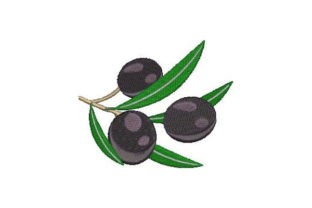
Black Olives Embroidery Design Review
A Mediterranean Touch That Actually Stitches Well
As an embroidery designer who’s stitched everything from delicate baby onesies to high-volume boutique apparel, I approached Black Olives with quiet curiosity—not hype. This Creative Fabrica embroidery design isn’t flashy or oversized, but it carries a distinct, grounded charm: ripe, slightly glossy olives nestled in slender stems and soft leaves. Visually, it reads as warm, earthy, and quietly sophisticated—exactly the kind of detail that elevates a handmade product without shouting for attention.
The design’s personality sits comfortably between illustrative and decorative. It’s not photorealistic, but it’s also not overly stylized or cartoonish—making it ideal for customers who appreciate authenticity in food-themed embroidery. As a machine embroidery design, Black Olives feels intentional: balanced negative space, thoughtful leaf curvature, and subtle layering that suggests depth without overwhelming stitch density. That balance matters—especially when you’re stitching on real-world substrates like kitchen towels or cotton sweatshirts.
Where Black Olives Fits Best (and Where It Might Struggle)
I tested Black Olives across several real project types: a linen tote bag, a midweight organic cotton apron, a baby blanket corner, and a structured cotton twill cap. Its natural home is clearly in the Food category—but more specifically, in projects where texture, tone, and tasteful minimalism matter.
- Tote bags & kitchen towels: Excellent. The design holds up beautifully on medium-weight woven fabrics. Leaves read cleanly, olive shapes stay plump and legible—even at smaller hoop sizes (I used a 4x4 inch hoop successfully).
- Sweatshirts & custom apparel: Works well with proper stabilizer—especially tear-away + light cutaway combo. Avoid heavy fleece backs unless you reduce stitch density manually; dense fill areas can flatten under bulk.
- Baby items & nursery decor: Gentle and age-appropriate. No sharp edges or fussy details—just soft botanical rhythm. Ideal for a neutral-toned baby blanket or pillow cover where subtlety reads as care.
- Caps & curved surfaces: Requires careful hooping and possibly slight digitizing tweaks. The stem curves are elegant but narrow—on rigid caps, test first to ensure no thread breakage or distortion.
- Embroidered patches & applique design use: Not built as an applique file, but works beautifully as a standalone embroidered patch if backed with iron-on fusible web and finished with merrow edging.
It’s less suited for ultra-stretchy knits (like performance tees) without significant stabilization—and avoid pairing it with highly textured jacquards or bouclé unless you’re willing to adjust underlay and tension. On dark fabric? Absolutely viable—just verify your thread colors contrast enough in the satin stitch highlights. A deep emerald green stem against charcoal linen, for example, reads rich and intentional.
What This Design Adds to Your Handmade Product
Black Olives doesn’t just decorate—it communicates. When stitched onto an apron sold in a local kitchen boutique, it signals craftsmanship, theme cohesion, and thoughtful curation. Customers notice that. Etsy buyers scrolling through “Mediterranean kitchen decor” or “gourmet gift sets” respond to this kind of visual consistency—it builds buyer trust faster than generic florals or abstract shapes.
For creative entrepreneurs, that translates directly into perceived value. A $38 linen tote becomes a *story*: hand-stitched olives, small-batch olive oil branding, sun-dried herb sachets tucked inside. That narrative lifts average order value and encourages repeat engagement. In product photography, Black Olives performs exceptionally well—its organic shape catches light softly, and its scale allows clean framing without crowding.
It also supports brand consistency across collections. Pair it with a simple “Olive Grove” script or minimalist olive branch border (both available as matching Creative Fabrica embroidery files), and you’ve got scalable design assets for seasonal handmade gifts, craft fair merchandise, or even printable mockups for client presentations.
Practical Notes Before You Stitch
Before adding Black Olives to your next customer order or Etsy listing, here’s what I recommend:
- Always test on scrap fabric—especially if using stretchy, napped, or dark materials. Check how the stem lines hold up and whether olive fill stitches settle evenly.
- Review stitch density in your embroidery software. If stitching on lightweight cotton or baby items, consider reducing density by 5–10% to prevent stiffness.
- Confirm hoop size before digitizing adjustments. The design fits neatly in standard 4x4 hoops, but double-check the actual file dimensions listed on the Creative Fabrica product page.
- Use appropriate stabilizer: medium-weight cutaway for knits, tear-away for stable wovens, and soft tear-away + topping for towels or terrycloth.
- Inspect small details post-stitch: the tip of each olive stem and leaf veins are fine but critical—if they vanish in dense fabric, a light re-hoop and re-stitch may be worth it.
- Verify licensing terms on the Creative Fabrica product page before selling finished products. As a digital embroidery file, usage rights vary—some allow commercial embroidery, others restrict resale of physical items.
Final Thoughts for Embroidery Designers & Creative Sellers
Black Olives won’t replace your go-to monogram or bold logo—but it fills a quiet, valuable niche. It’s the kind of embroidery file that makes a handmade product feel considered, cohesive, and quietly confident. For apparel decorators building Mediterranean-themed collections, Etsy sellers curating gourmet or artisanal gift lines, or small business owners launching kitchen-focused merchandise, this design delivers reliable visual appeal without technical headaches.
It’s not “wow” embroidery—it’s *warm* embroidery. The kind that invites touch, tells a story, and stays true across washes, wear, and seasons. And in the world of handmade and commercial embroidery, that kind of consistency is rare, useful, and deeply underrated.